


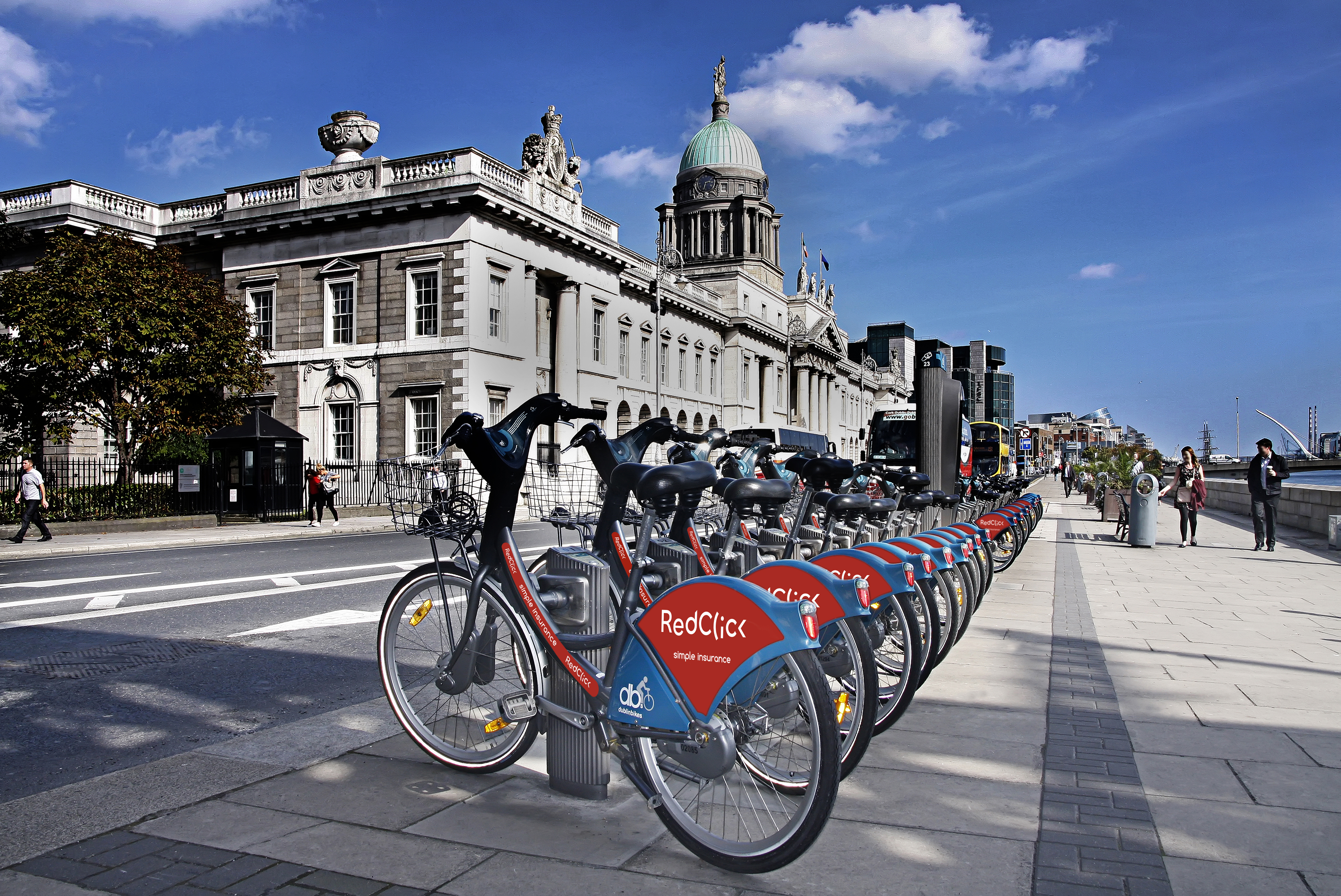
Only Three Percent of the Irish Population Cycles Daily - RedClick Research
Key findings:
Men four times more likely to cycle than women on a daily basis and twice as likely on a weekly basis;
Bike theft is an escalating barrier to cycling; the number of people citing it as a concern has doubled since 2025;
50% of people cited poor weather conditions as a deterrent to cycling, up from 34% in 2025;
80% of commuters surveyed in Dublin recognise cycling as a means of reducing their daily travel costs;
76% of respondents acknowledged that cycling infrastructure has improved in their local areas;
RedClick comment: “Our year-on-year research has shown that a number of barriers to potential cyclists exist, particularly among women, and over half the population specifically avoiding cycling as a result.”
Only three percent of the Irish population cycles daily according to new research commissioned by insurer RedClick to mark the launch of National Bike Week (9 - 17 May).
Low Cycling Participation in Ireland
The research, carried out in April 2026 by IrelandThinks, found that men are four times more likely to cycle than women on a daily basis and twice as likely on a weekly basis.
The results highlight persistent barriers to cycling in Ireland, particularly among women, with only one per cent of women cycling daily and five per cent on a weekly basis. 90% of women rarely or never cycle.
85% of the total adult population rarely or never cycles, with only seven per cent cycling weekly, and five per cent on a monthly basis.
This is far below European counterparts, with a recent Eurobarometer survey finding that 43% of Dutch people, 30% of Danes, and 28% of the Finnish cycle on a daily basis.
Safety, Weather and Bike Crime as Deterrents for Irish cyclists
These low cycling rates may be explained by the persistent barriers that cyclists in Ireland face daily.
The research revealed that safety remains a priority and is the primary deterrent for potential cyclists. Specifically, 57% of people avoid cycling due to safety concerns. This rises to 65% of women, which is reflected in low cycling rates among women.
The Irish weather is a well-documented barrier to cycling for many Irish commuters. This year, 50% of people cited poor weather conditions as a deterrent to cycling, up from 34% in 2025. This may be attributable to the record-breaking precipitation figures in the early months of 2026.
Interestingly, the number of respondents citing having a bike stolen in the past as a barrier has doubled, up to 10% from 5% in 2025.
While barriers clearly exist for most potential cyclists, 76% of respondents acknowledged that cycling infrastructure has improved in their local areas. This suggests that while Government investment in active travel infrastructure is being recognised, it has yet to overcome some of the barriers faced by cyclists across the country.
Benefits of Cycling
For those that do choose to cycle regularly, the benefits are clear. When asked to select all the benefits they associate with cycling, the positive impact on physical and mental wellbeing was most cited (36%), followed by the sustainability benefits (23%). Others recognised that it is fun and enjoyable, and that it is a cost-effective and time efficient way to travel.
Cycling is also recognised as a stress-free means of commuting, with 68% of people that cycle to work reporting that they arrive fresh, versus only four per cent of those that travel by public transport.
80% of commuters surveyed in Dublin believe they would save money by swapping to cycling, rather than their current mode of transport.
Only 10% of respondents reported that recent rising fuel costs have led them to cycle more, demonstrating that financial incentives alone are not enough to drive behavioural change.
Commenting on the findings, Head of Commercial at RedClick, Lisa Silver:
“Our year-on-year research has shown that a number of barriers to potential cyclists exist, particularly among women, and over half the population specifically avoids cycling as a result.
“While significant investment has been made recently in cycling infrastructure, this investment is not yet reflected in the number of cyclists on Irish roads. This suggests that infrastructure alone is not enough to encourage cycling participation, and that concerns are wide ranging."
Despite these concerns, it is positive to see the many benefits enjoyed by those who cycle. With increased Government investment in cycling infrastructure, we are moving towards providing better cycling environments that can be appreciated by all.